
Structuring mobile buffer storage – reducing search time and increasing transparency
How Structured Buffer Storage Stabilizes Processes
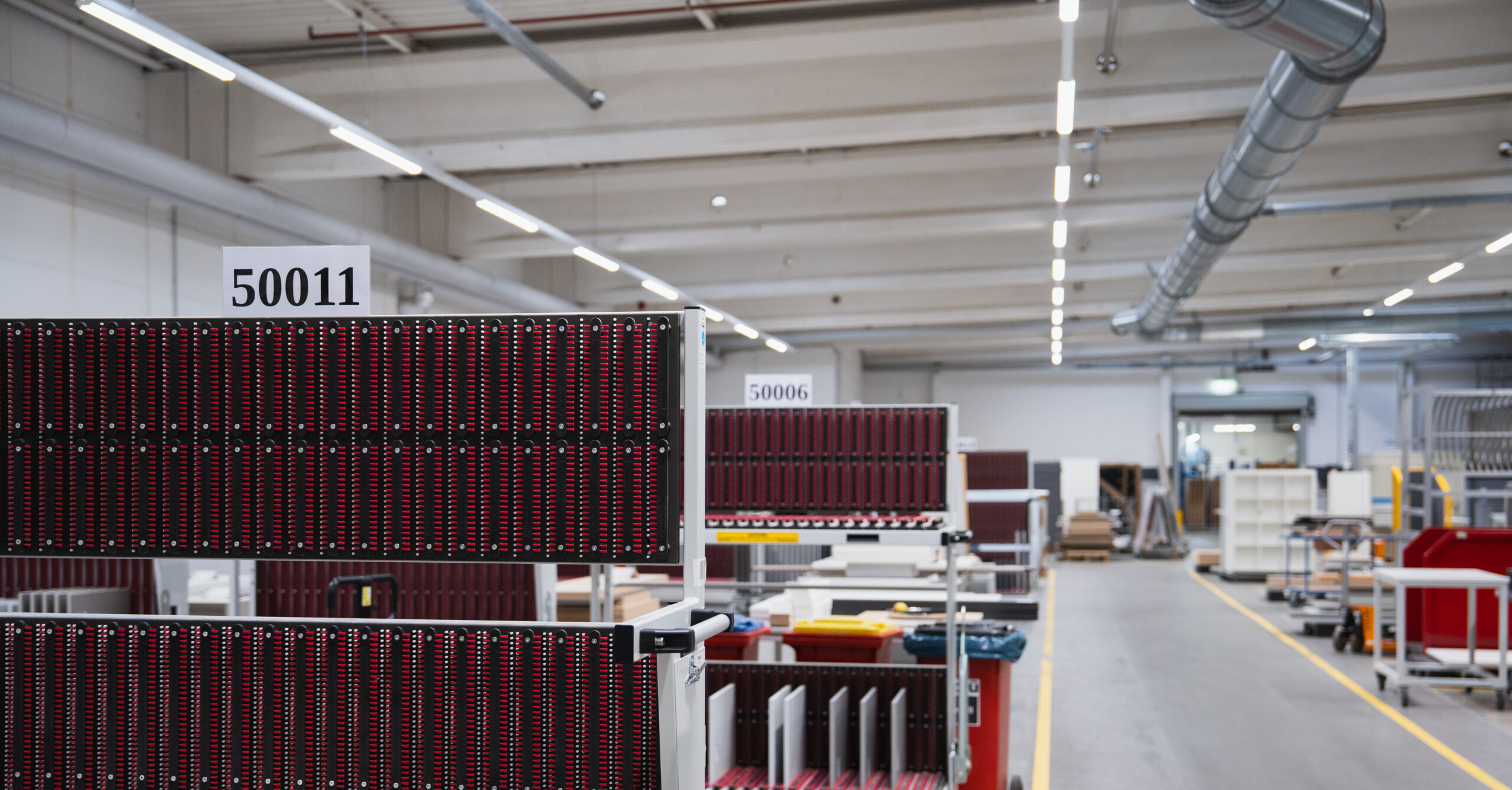
Buffer storage such as transport carts or rack trolleys are more than just mobile storage surfaces. What many production managers lack is a suitable tool to digitally structure these interim storage areas in order to reduce search time, eliminate confusion, and prevent unnecessary interruptions in process steps.
Creating Transparency
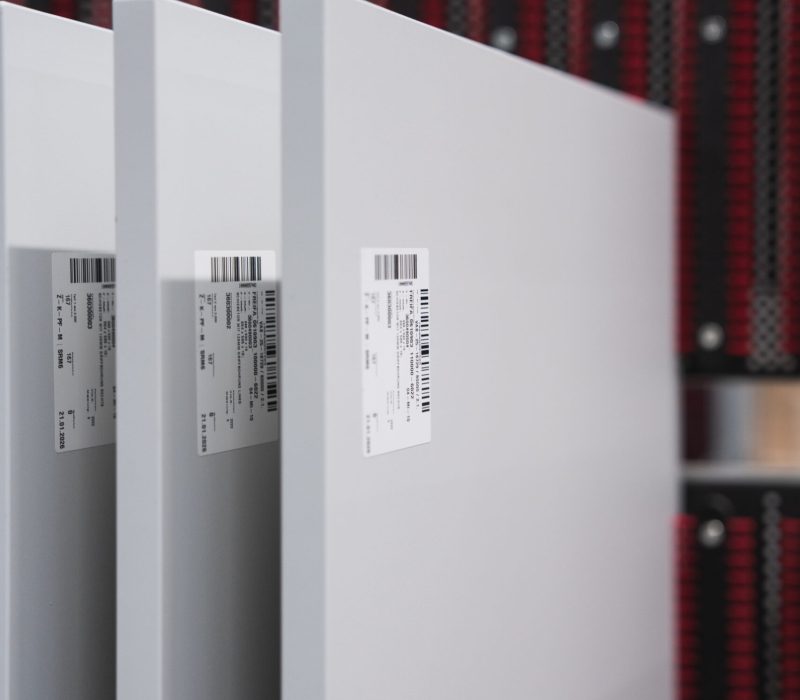
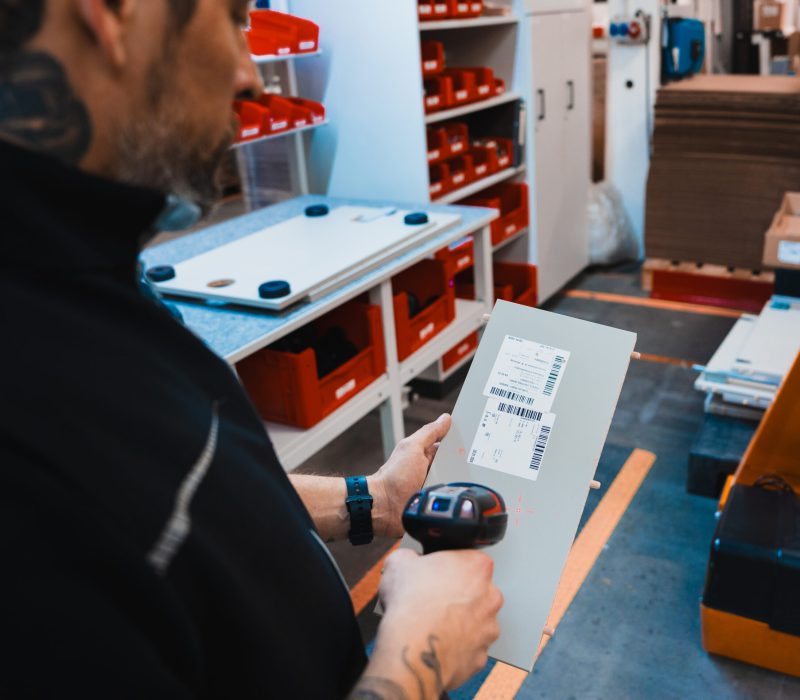
Transport carts can be organized like a real buffer warehouse. Each cart is uniquely identified via code. Components are digitally recorded and assigned to the respective cart by scanning. Likewise, parts can be easily transferred from a cart to the designated warehouse or production area through a simple scan.
Each cart is uniquely identifiable (via barcode, QR code or RFID tag)
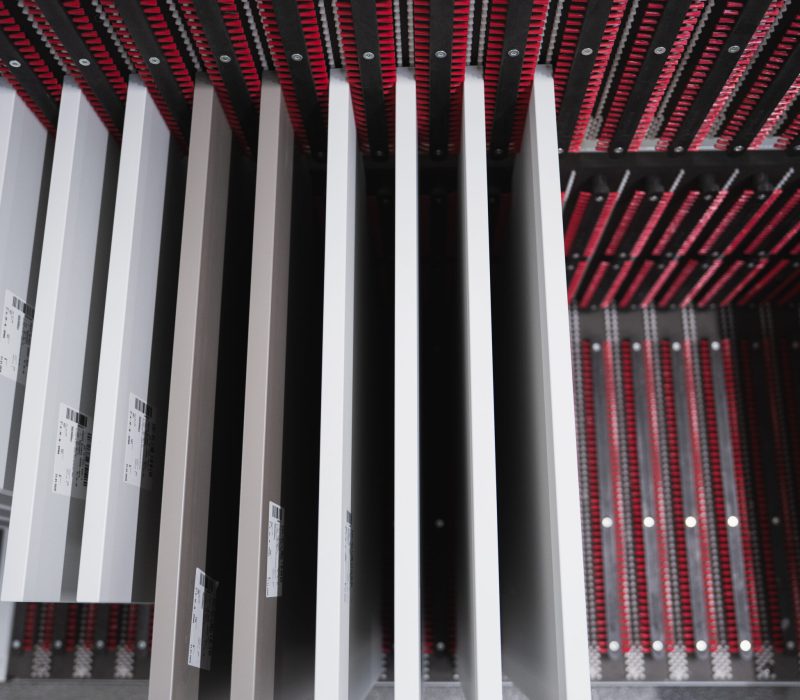
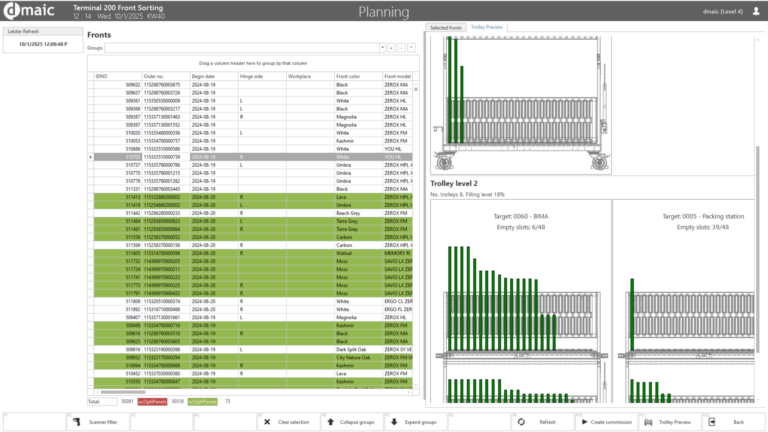
Each level is logically mapped (with preview on the workstation screen)
Every part is clearly assigned to a storage location (cart + level)
Paper or Excel lists are replaced by digital views that update in real time
This makes it possible at any time to track which component is located on which cart and at which level. The result: reduced search times and full transparency.
Digital Control Instead of Manual Distribution
The allocation of materials to transport carts becomes a fully digitally controlled process that can be managed manually, semi-automatically, or fully automatically.
Manual: Employees retain full control over the assignment process, while benefiting from complete digital transparency regarding the status, contents, and destination of each cart.
Semi-automated: Orders are specifically selected, and the system takes over the intelligent allocation to suitable transport carts based on defined production logic.
Fully automated: After importing order data, assignment takes place automatically without manual intervention. This relieves employees and creates capacity for value-adding activities.


Leave a Reply